
The sudden disappearance or absence of the Castle App from the Google Play Store has raised many questions among users searching for the application. As streaming platforms and entertainment apps continue to dominate mobile usage worldwide, many people are actively searching for Castle App only to discover that it cannot be found in the official Android marketplace.
In this detailed guide, we explore the real reasons why the Castle App is unavailable on the Google Play Store, what policies may affect its listing, how app distribution works outside official stores, and what users should know before attempting to download it from other sources.
Understanding the Castle App and Its Popularity
The Castle App gained rapid popularity due to its reputation as a free entertainment platform offering access to movies, TV shows, and other streaming content. Users were attracted by its promise of a large content library and minimal subscription requirements.
Unlike mainstream platforms such as subscription-based streaming services, Castle App positioned itself as a convenient solution for users who wanted quick access to digital entertainment without recurring fees. Because of this, the app quickly circulated across forums, tech blogs, and Android communities.
As search interest grew, many users expected to find the application directly on the Google Play Store. However, the absence of the app from Google’s official marketplace led to widespread confusion and speculation.
Why Castle App Is Not Available on the Google Play Store
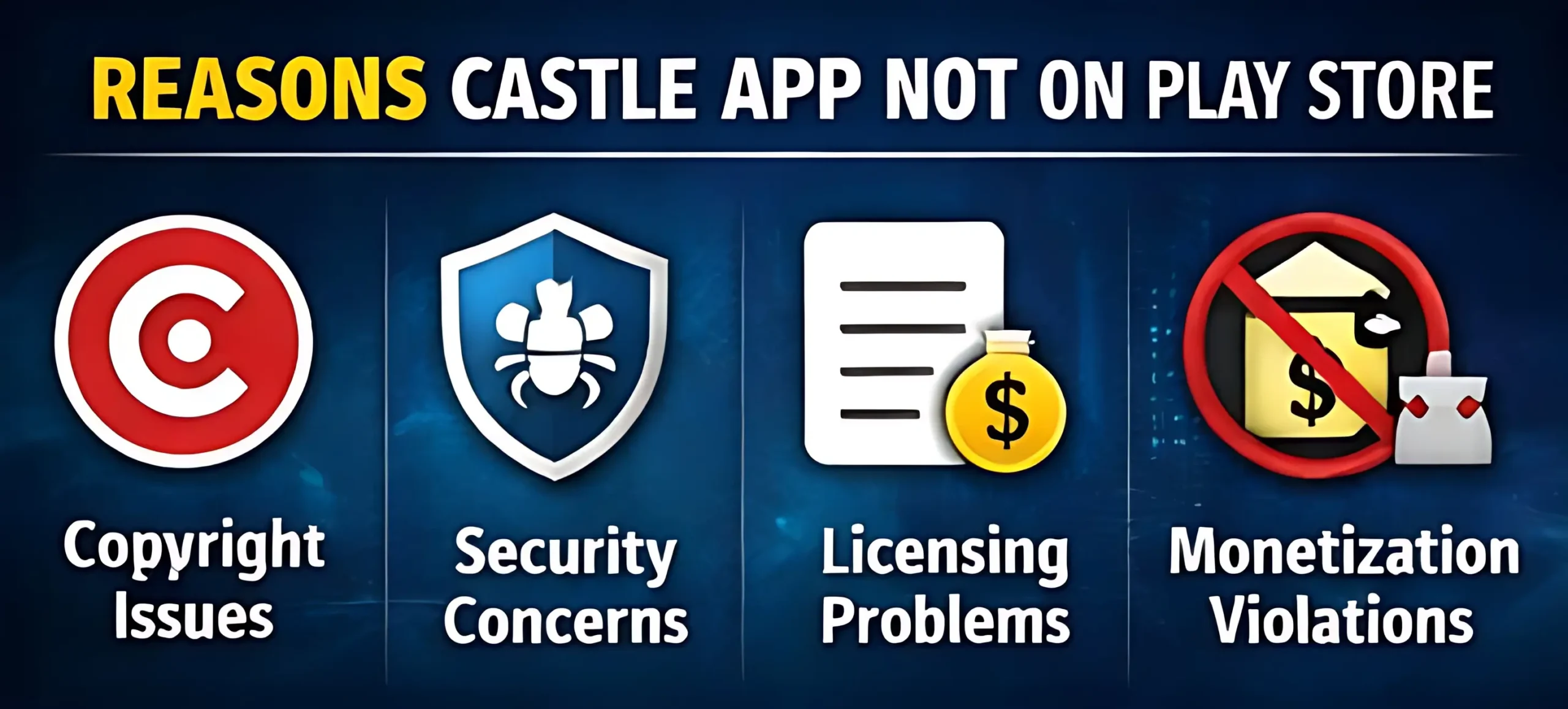
Several factors determine whether an app can be listed on the Play Store. Google maintains strict policies designed to protect users, maintain legal compliance, and ensure security standards.
Below are the most likely reasons why Castle App does not appear on the Play Store.
1. Google Play Policy Compliance
The Google Play Store enforces comprehensive developer policies that all applications must follow. These policies cover areas such as:
-
Copyright and intellectual property
-
Malware and harmful software
-
User data privacy
-
Content licensing
-
Monetization practices
If an app fails to comply with any of these guidelines, it may be rejected during submission or removed after publication. Apps that distribute copyrighted media without verified licensing agreements are particularly vulnerable to removal.
Because Castle App is associated with free streaming of movies and TV shows, it may conflict with content licensing policies, making it difficult for developers to maintain a Play Store listing.
2. Copyright and Content Licensing Issues
One of the most common reasons entertainment apps are not listed on official stores involves copyright regulations.
Digital platforms that stream or distribute films and television content must hold the legal rights to do so. Major app stores require developers to demonstrate these rights during the approval process.
If the Castle App streams media without verified distribution agreements, Google would likely reject it under copyright enforcement rules. This protects intellectual property owners and prevents unauthorized distribution of media.
For this reason, many unofficial streaming apps remain distributed only through third-party websites instead of official marketplaces.
3. App Security and Malware Risk Concerns
Another critical factor affecting Play Store availability is app security.
Google continuously scans applications for:
-
Malicious code
-
Data harvesting activities
-
Unsafe permissions
-
Hidden background processes
If an application triggers security concerns during automated or manual review, it may be blocked from publication.
Apps distributed through unofficial channels often bypass these review processes, which is why Google tends to restrict them from its platform.
The absence of Castle App from the Play Store could therefore also be related to unresolved security review concerns.
4. Violation of Play Store Monetization Policies
The Google Play Store maintains strict rules regarding how apps generate revenue. Developers must follow approved payment systems for subscriptions, in-app purchases, and digital goods.
If an application attempts to bypass these systems or integrates external payment mechanisms that violate store policies, the app may be rejected.
Free streaming apps sometimes include alternative monetization methods such as aggressive advertising or external subscription links. These methods may conflict with Play Store monetization guidelines.
5. Developer Distribution Strategy
In some cases, developers intentionally choose independent distribution instead of publishing on official app stores.
Reasons may include:
-
Avoiding strict review policies
-
Maintaining control over updates
-
Offering features not allowed on Play Store
-
Reducing store commission fees
If Castle App developers prefer direct downloads through their website, they may not pursue Play Store approval at all.
However, this approach comes with trade-offs, including reduced visibility and increased security concerns for users.
How Apps Typically Get Removed from the Play Store
To understand why Castle App may be unavailable, it is useful to understand how removal works.
An app can disappear from the Play Store for several reasons:
-
Policy violations discovered after launch
-
Developer account suspension
-
Copyright complaints
-
Security vulnerabilities
-
Failure to update compliance requirements
Google frequently performs automated scans of existing apps. If new issues are detected, the app may be suspended until the developer resolves the problem.
In some cases, developers choose not to update the app to meet new requirements, which leads to permanent removal.
Risks of Downloading Apps Outside the Play Store
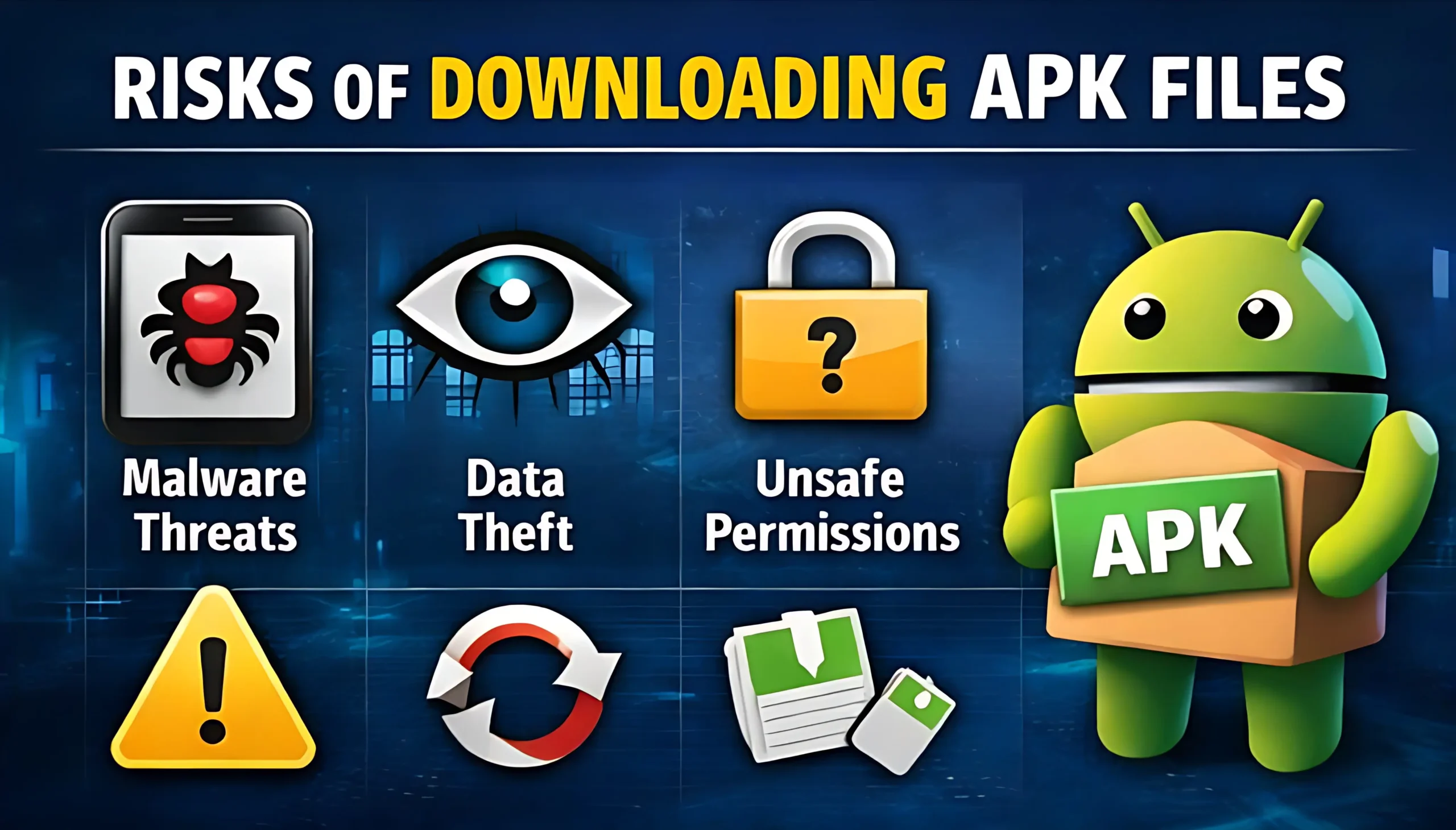
Because the Castle App is commonly distributed through external websites, users often install it using APK files. While Android allows this through sideloading, it introduces several risks.
Security Risks
APK files downloaded from unknown sources can contain:
-
Malware
-
Spyware
-
Hidden advertising software
-
Data tracking scripts
Without Google Play Protect scanning, these threats may go unnoticed.
Lack of Automatic Updates
Apps installed outside official marketplaces usually do not receive automatic updates. Users must manually download new versions, which can lead to outdated software and security vulnerabilities.
Privacy Concerns
Third-party apps sometimes request excessive permissions such as:
-
Access to storage
-
Device identifiers
-
Background internet connections
Without official oversight, users have limited protection against misuse of personal data.
How to Verify the Safety of APK Downloads
For users still interested in installing applications outside the Play Store, it is essential to take safety precautions.
Consider the following steps:
-
Download APK files only from trusted sources
-
Scan files using antivirus software
-
Review requested permissions carefully
-
Avoid granting unnecessary access
-
Check community reviews and technical forums
These precautions cannot guarantee complete safety but significantly reduce risk.
Alternatives to Castle App for Streaming
If the primary goal is streaming movies and television content, many reliable platforms exist that comply with licensing regulations and security standards.
These platforms offer:
-
High-quality streaming
-
Secure payment systems
-
Regular updates
-
Official customer support
Choosing legitimate streaming apps ensures a safer and more reliable viewing experience.
The Future of Castle App
The future availability of Castle App on the Google Play Store depends on several factors.
For the app to appear officially, developers would likely need to:
-
Resolve copyright licensing issues
-
Comply with Google Play policies
-
Pass security and malware testing
-
Integrate approved monetization systems
If these requirements are met, the app could potentially return to the Play Store in the future.
Until then, its absence will continue to drive curiosity and online searches.
Final Thoughts
The absence of the Castle App from the Google Play Store is not accidental. Strict policies governing copyright compliance, security standards, monetization rules, and developer verification determine whether an app can be listed on the platform.
Streaming applications that operate outside these frameworks often remain distributed through independent channels rather than official marketplaces.
Understanding these factors helps users make informed decisions when searching for entertainment apps and protects them from potential security and privacy risks associated with unofficial downloads.